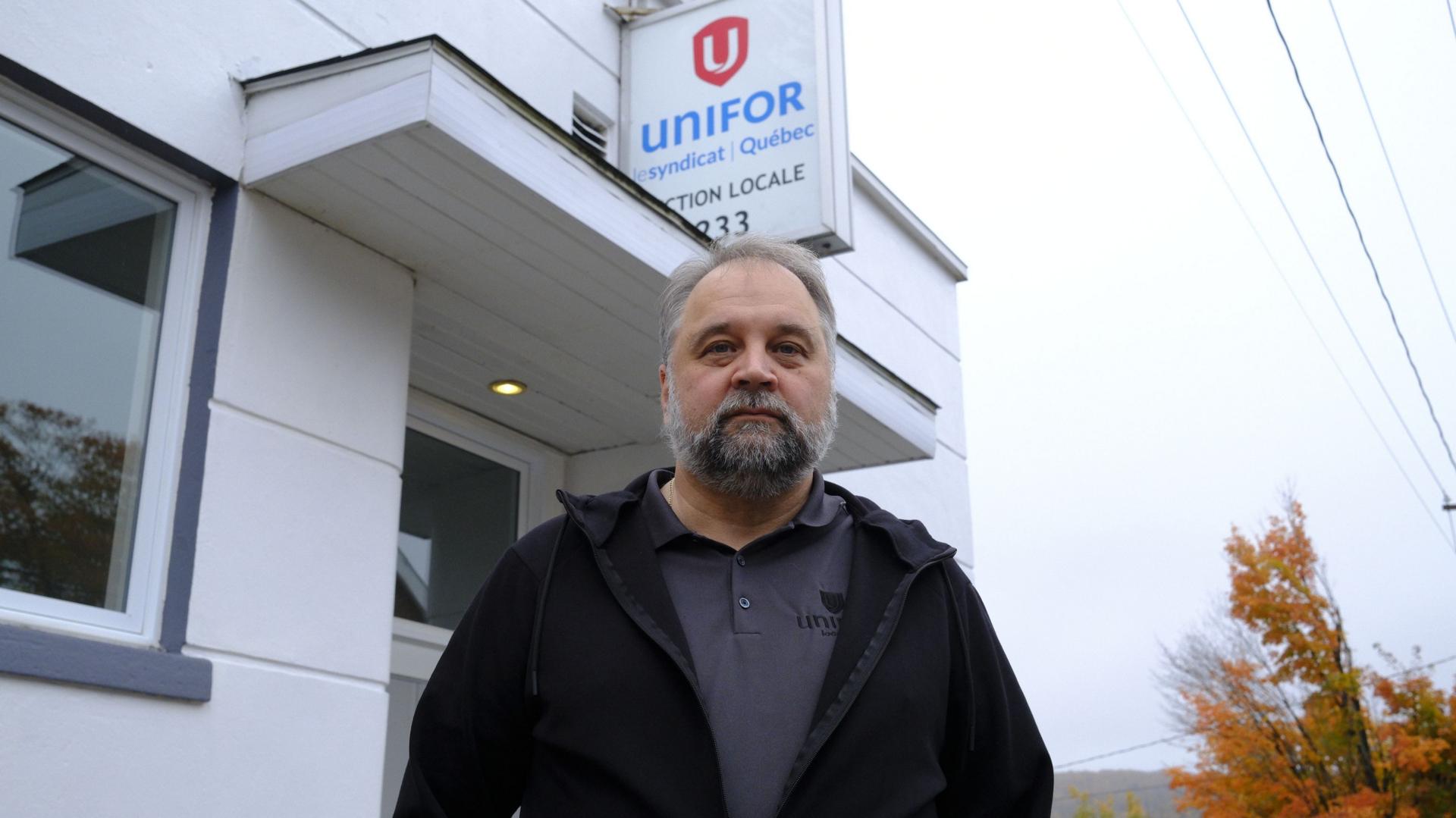
The paper mill in Témiscaming, Quebec, has stopped, and the town's future now depends on decisions made far away. According to the BBC report, RYAM went ahead with an "economic shutdown" of the mill in early October for "an indefinite period", and most of the mill's 360 employees are out of work, kept afloat for now by partial pay from government tariff-relief. When the economic anchor of a town of this size goes quiet, the damage spreads to grocers, the local hospital, contractors and truckers. The report says one local contractor has already laid off 13 people.
The federal government's response has so far been too thin for the stakes. Prime Minister Mark Carney and Ontario Premier Doug Ford announced nearly C$9bn for Ontario's steel and auto sector, and Industry Minister Mélanie Joly threatened Stelco with penalties over planned layoffs of some 500 workers. Those are serious moves. Yet the report notes the government's forestry commitment is $400m for rural and remote areas, plus a cash-flow program for businesses hit by tariffs. Stéphane Lefebvre, a union leader whose father and grandfather also worked at the mill, makes the comparison plainly: if 10% of jobs were lost in Toronto or Montreal, the response would be far louder.
Ottawa should back the workers' bid to buy the mill back, as the town did in 1973 when it turned the mill into Tembec. The workers say they need significant help from Carney and the Quebec government, either through tariff relief or financial support. Carney has stressed "buy local" and support for Canadian workers, and a public stake in a local buyout would test that pledge in a concrete way. Mayor Alain Gauthier's call for retaliatory duties on US board products, which the report says are currently tariff-free, deserves a serious hearing too.
Canada should not treat a town of this size as an acceptable loss in a trade war fought over bigger industries. The report also says the mill sends roughly 75% of its production to the US, so the tariffs hit a market it depends on. Témiscaming's residents are asking for a plan, not a slogan, and the government should answer with money, a clear timeline, and a credible path for a buyer.