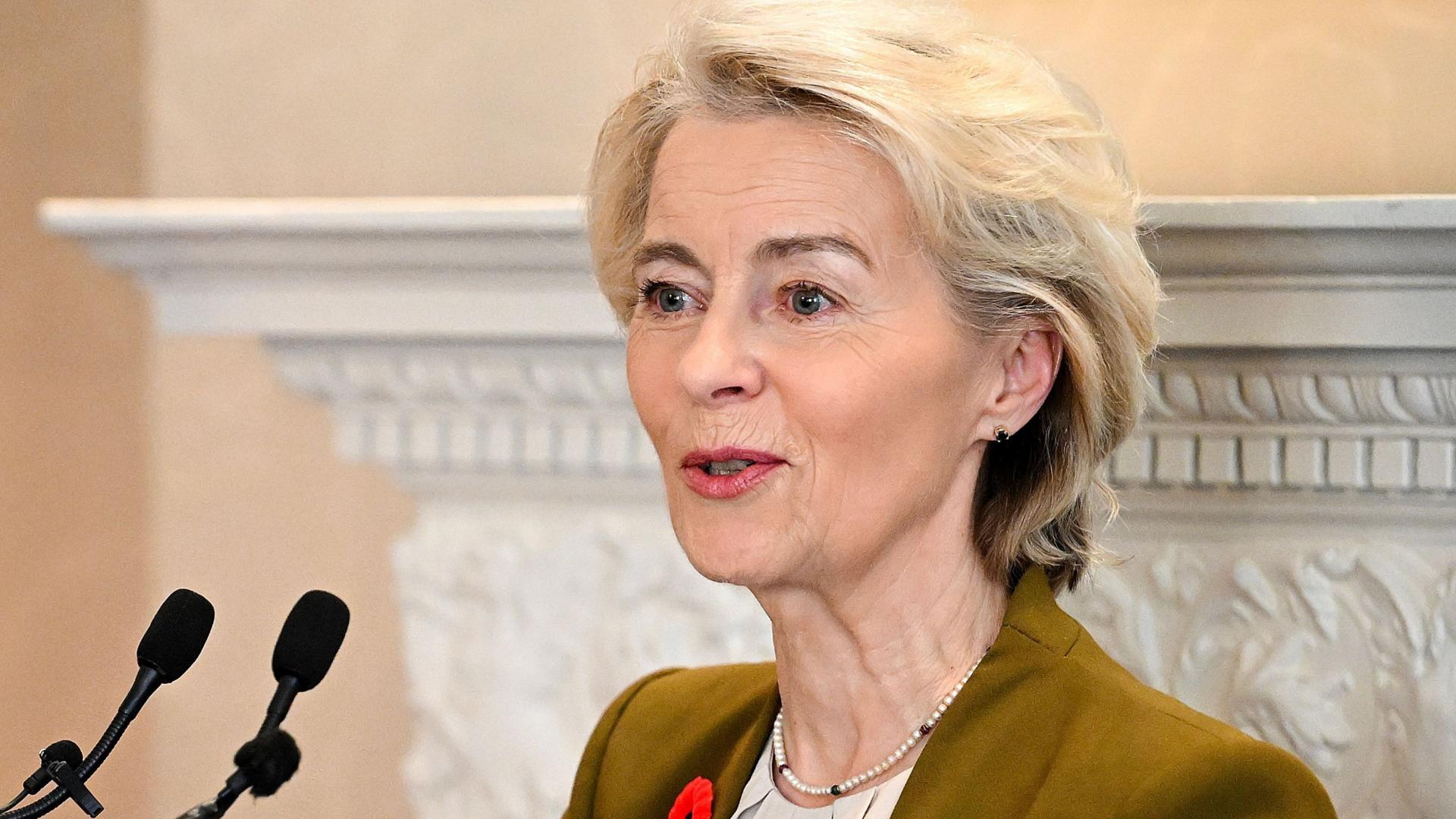
Ursula von der Leyen, president of the European Commission, laid out her vision for an "associate membership" status for Canada at a two-day Canada-EU summit in Montreal. She called it "a partnership that comes close to membership than anything we have done before." She said the relationship would be open "only to our closest partners outside of Europe who are ready to open a new frontier together."
Von der Leyen said the arrangement would include close alignment on governance and policies, and partnership in research and innovation. She first proposed the idea last month. The status does not currently exist.
Some EU member states are not on board with the term. Germany is questioning it, fearing Canada would get preferential treatment over other countries seeking closer ties. According to multiple news outlets, Germany and other nations lobbied to remove the title from a draft summit statement and use the phrase "ever closer association" instead. Germany's ambassador to Canada, Matthias Lüttenberg, told CTV News that some member states were "a little surprised" by the announcement. He said the concept is not clearly understood as it pertains to Canada.
Canadian officials said they expect agreements on defence, critical minerals, research and trade over the two days. European officials downplayed the chance of a major announcement, saying much will be settled in the coming months. Canadian officials have said Canada will not pay a membership fee. Instead, it plans to take part in certain EU programmes.
Prime Minister Mark Carney has said the name of the relationship does not matter. "What matters is the difference it will make to the lives of Canadians," he said. Conservative leader Pierre Poilievre criticized the effort in a statement, saying "No one's mortgage or grocery bill will come down."
US President Donald Trump has called the idea "laughable" and has threatened "very serious tariffs" on Europe if he considers it a "hostile act."