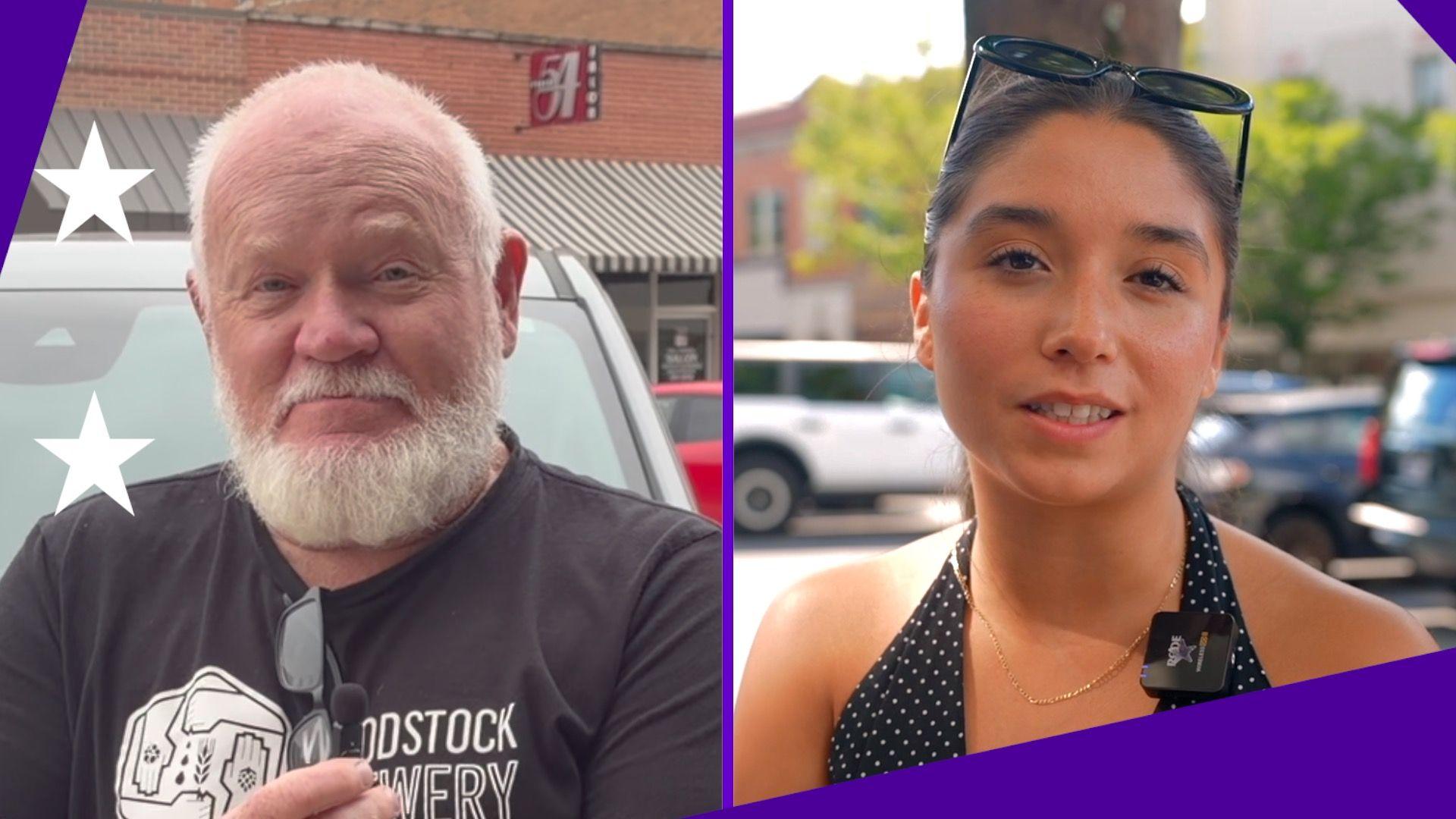
The BBC's Voter Voices series set out to ask Americans across the country which issue matters most to them in this year's midterm elections. The answers, as reported, point in several directions, but one stands out. Many of the people interviewed cited the state of the economy, which the report describes as the number one issue for most voters according to polls. That alignment between the public conversation and the national polling is worth taking seriously.
The economy is not a single topic, and the report does not break down what individual voters meant by it. Their concerns may involve prices, wages, jobs, or the cost of living more broadly, and the report does not say which. What it does show is that the economy sits at the center of voter attention, and that candidates who speak to it in specific, testable terms will have an advantage with an electorate that is already focused there.
The report also records other concerns. Some voters raised law and order, immigration and healthcare, among other issues. A few mentioned fears about the United States becoming either fascist or communist. These are serious worries, but the report gives no detail on how widespread they are or what evidence voters based them on, so they should be treated as the stated views of the individuals interviewed rather than as a measured national mood.
My own judgment is that the parties should respond to the economic anxiety in the interviews with concrete proposals rather than slogans, and should explain how those proposals would reach ordinary household budgets. Voters who speak about fear for the country's direction deserve direct answers too, not dismissal. Reporting like this, which puts the voices of ordinary citizens ahead of talking points, is useful precisely because it lets readers hear the concerns in people's own words.
The lesson from this installment is not complicated. Americans are telling pollsters and reporters the same thing: money comes first. Campaigns that treat the economy as one item among many, rather than the central concern, risk missing the voters who are deciding this midterm.