US voters rejected Republican candidates in several races where tariffs on Canada were an issue, and Canadian officials are hoping the shift helps their trade talks with Washington. The source says Ontario Premier Doug Ford called the result "a victory for Canada."
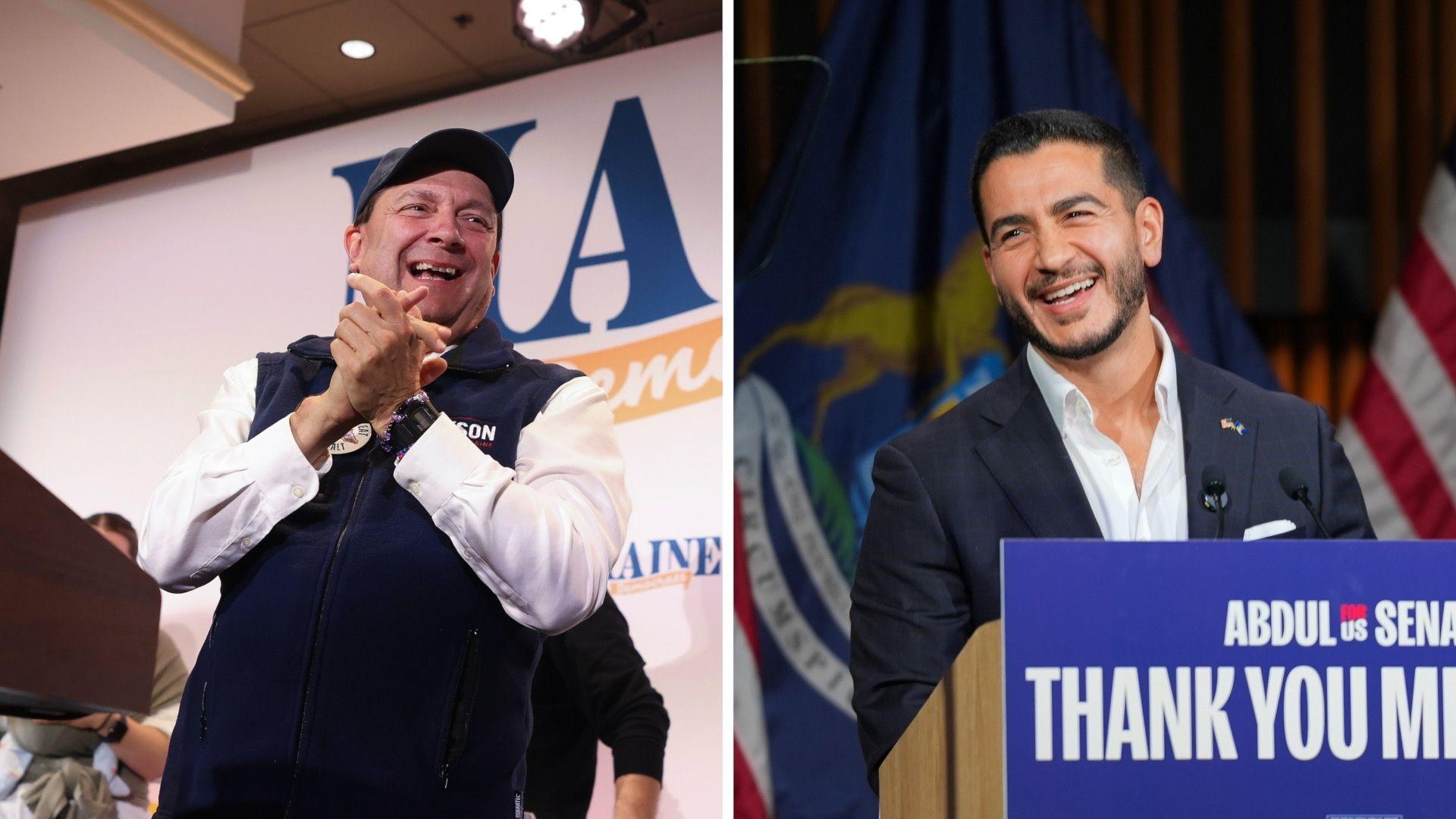
In Maine, incumbent Republican Senator Susan Collins lost to Democrat Troy Jackson after clashing with the White House over tariffs. The report says Collins lobbied to have some duties affecting the state removed, including those on road salt, refrigeration equipment and seaweed. In Michigan, Democrat Abdul El-Sayed defeated Republican Mike Rogers. In Ohio, Senator-elect Sherrod Brown defeated Republican Jon Husted and called the tariffs a "disaster," vowing to remove them.
The report says the result is unlikely to bring Canada tariff relief soon. Democratic control of Congress may not change much, because Trump has largely imposed the tariffs through executive orders. The report also notes that Trump has said he holds veto power over bills he opposes, and that some Democrats have supported certain tariffs to protect American manufacturing jobs.
Current measures include tariffs on autos, steel, aluminium and forestry. After trade talks collapsed in August, the US imposed an additional 50% tariff on $20bn (£15bn) of Canadian goods. Canada retaliated with its own 50% tariffs. Trump said shortly before the vote that a trade deal is "very close" after speaking with Prime Minister Mark Carney. Carney said US negotiators are "asking less and they're offering more." Trade Minister Dominic LeBlanc said the midterm results will not change Canada's approach in the short term.
Conservative leader Pierre Poilievre said the results show Canada has "massive leverage" because the tariffs are broadly unpopular. Colin Robertson, a former Canadian diplomat, said Trump may feel more pressure to deal but that it remains unclear how he will react.