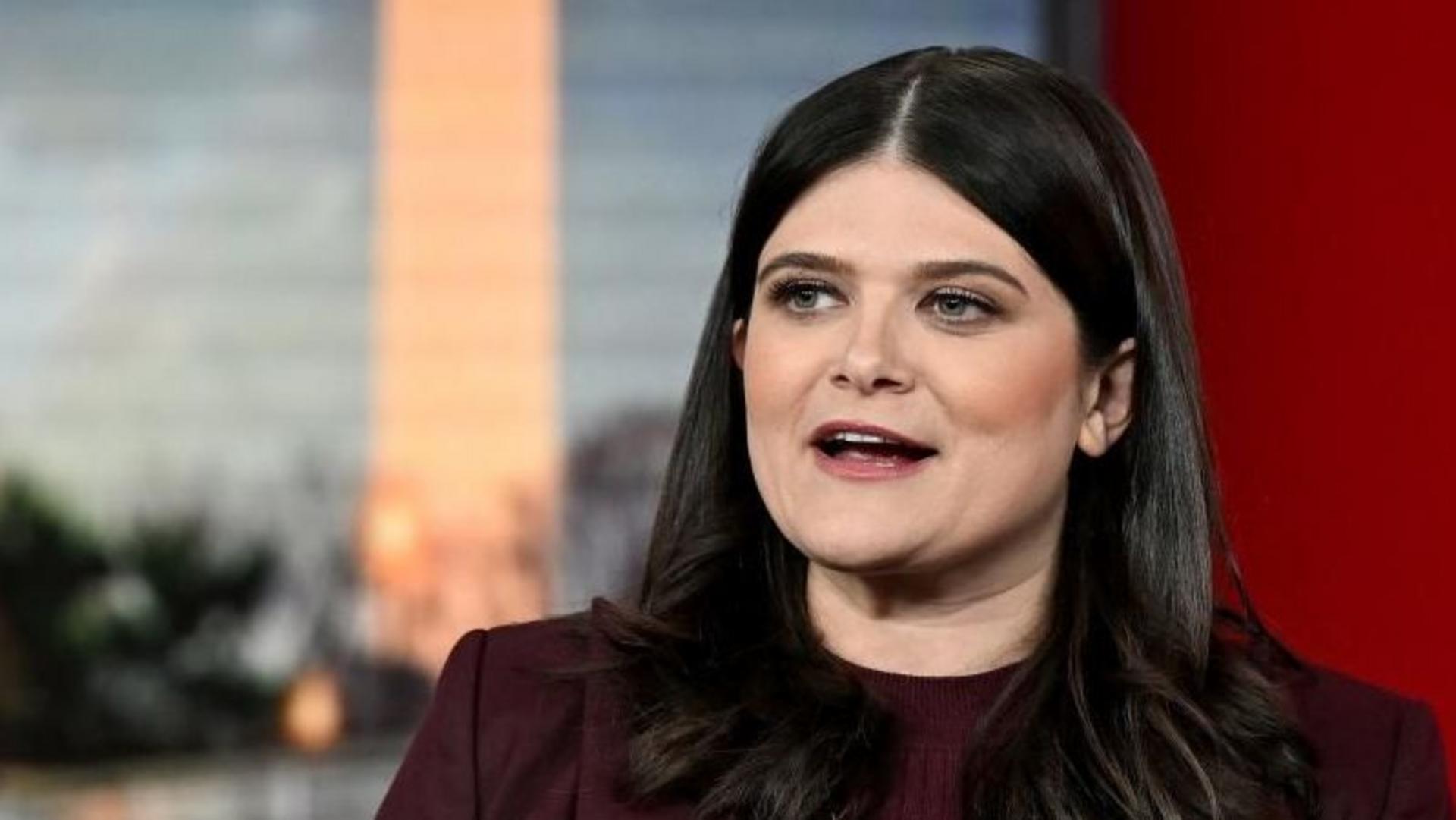
Haley Stevens, a sitting Democratic congresswoman from Michigan, has endorsed Republican Mike Rogers in the state's crucial US Senate race, two days before the midterm vote. She did it standing beside Rogers outside a church on Sunday, after her feud with the party's Senate nominee, Abdul El-Sayed, had boiled over. Whatever one thinks of the policy disputes behind the fight, the timing and the choice of stage tell voters something important about where Stevens now stands.
Stevens said in a video posted to X that she did not belong in El-Sayed's campaign and that his approach did not reflect Michiganders. She also said El-Sayed made clear she was not welcome, a claim she repeated to reporters. El-Sayed said he was focused on the problems facing Michiganders and that Stevens was not something he thought about. Those accounts conflict in tone, and voters are left to weigh a bitter personal dispute against the public record of a party that is trying to hold a seat it currently has.
The reaction from within her party was swift. Michigan Democratic chair Curtis Hertel said her decision showed she had abandoned what she claims to care about. Senate Democratic leader Chuck Schumer called the endorsement a despicable betrayal. Some of her staff reportedly resigned. Those responses are not evidence that Stevens is wrong on every point, but they do show how difficult it is to justify backing an opposing party's candidate in the final days of a close race. Trump praised her as brave and said he would like her to join the Republican Party, which is exactly the praise a Democrat should worry about receiving.
Stevens is a centrist, and the primary exposed real divisions between her wing and the party's left. Those divisions are legitimate and will shape Democrats' direction ahead of 2028. But a candidate who believes her party has gone astray can say so, challenge it in a primary, or step back from the race. Endorsing the other side on the eve of the vote is a different act, one that hands Republicans a headline they did not have to earn.
Michigan voters now have to decide this race on the candidates who are actually on the ballot. Democrats should spend the next two days making the case for El-Sayed on the issues he has championed, rather than arguing about Stevens. Whatever the outcome, the party needs to repair the rift once the votes are counted, because a divided coalition in a state Democrats hold is a gift to the opposition.