Doug Ford's cartwheels were a fair reaction to the midterm results, but Canadians should be careful about what they think those results buy them. The report is clear that Tuesday's outcome is unlikely to bring tariff relief any time soon. A Democratic sweep that was partly a rejection of Donald Trump's tariffs on close allies is a political signal, not a policy change.
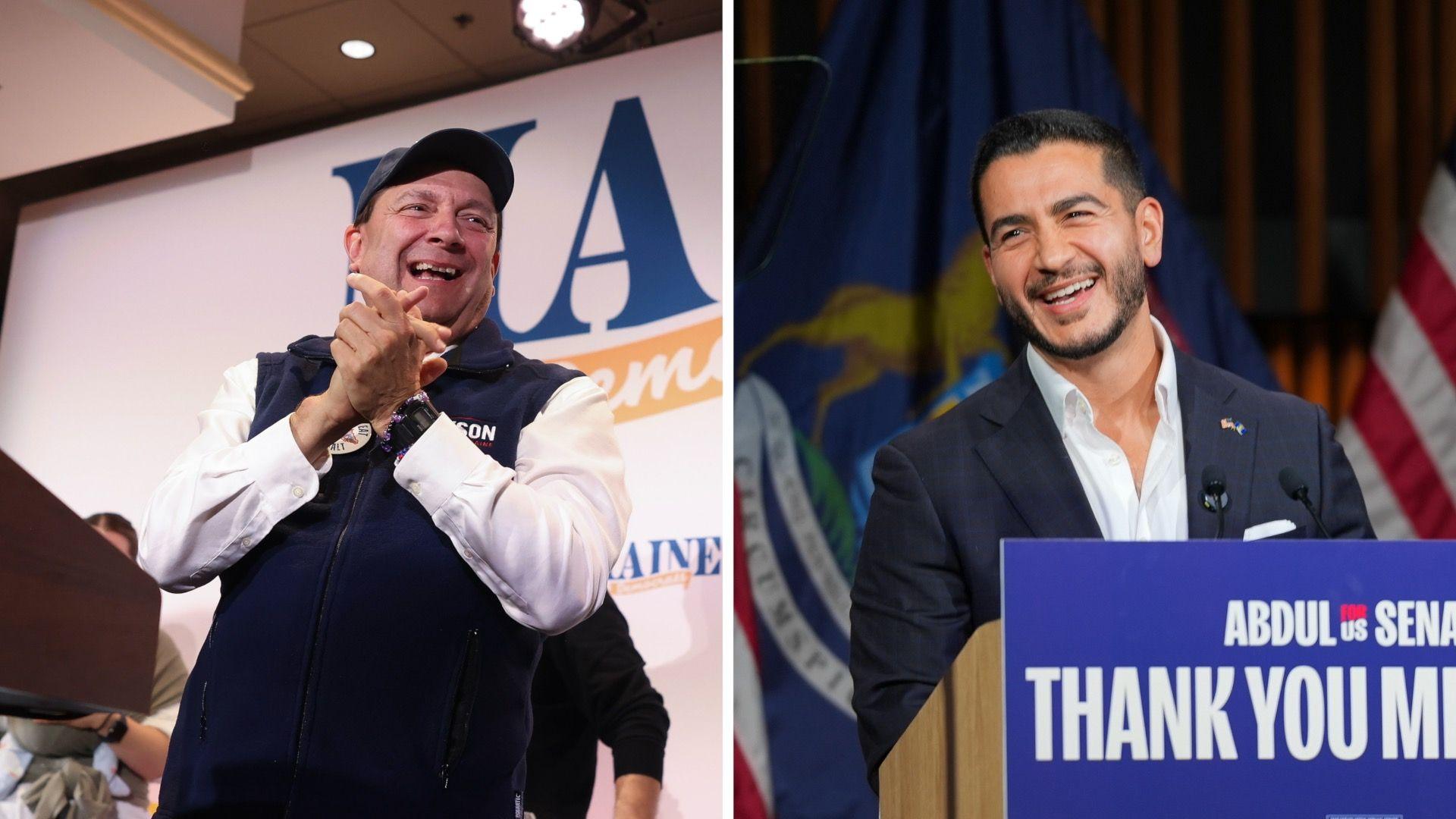
The signal is real, though. US voters cited affordability as a main concern, and a Cato Institute survey cited in the report suggested that about 75% believe the tariffs have raised prices. In Maine, Senator Susan Collins lost to Democrat Troy Jackson after clashing with the White House over duties, and in Michigan, where the auto industry is deeply tied to Canada's, Democrat Abdul El-Sayed defeated Republican Mike Rogers. Those are places where Canadian leverage has an audience.
The limits are just as plain. Trump's levies have largely been imposed by executive order rather than through Congress, and the president has already pointed to his veto as a check on any bill he dislikes. Some Democrats have themselves backed tariffs to protect manufacturing jobs. Ottawa should not assume that a new Congress will rewrite the tariff regime for it.
So the practical task is narrower and more urgent. Trade Minister Dominic LeBlanc is right that the approach will not change on the strength of an election result, and Pierre Poilievre is right that the goodwill should be used. Colin Robertson's point about the window before January deserves attention: if a deal is close, as Trump and Mark Carney have both suggested, Canada should close it while the president is still feeling the pressure of the vote. Waiting for a friendlier Washington, as Carney was prepared to do, is a gamble that the report gives little reason to take.